 Uni Africa Auto Everything About Cars
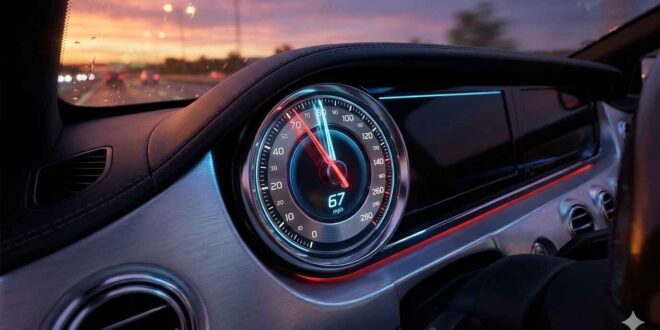
Ever noticed your speedometer says 100 km/h but GPS shows less? You’re not imagining it. The truth is yes, car speedometers are usually slightly inaccurate. But not to trick you into driving slower.
The main reason is regulation. In most countries, including Europe and many markets cars are imported from, the law says a speedometer must never show a speed lower than your real speed. It’s allowed to read higher, within a small margin. That margin is usually up to about 10 percent plus a few extra km/h.
Manufacturers build in this buffer on purpose. Tires wear down. Tire pressure changes. Different tire brands have slightly different diameters. All of that affects wheel speed readings. If the speedometer were perfectly exact on day one, it could under-read later, and that would be illegal.
So this isn’t a secret plan to reduce speeding. It’s a legal and safety safeguard. Car makers protect themselves and drivers from tickets caused by small mechanical changes over time.
In real terms, when your speedometer shows 100 km/h, your true speed is often closer to 93 to 97 km/h. GPS apps usually read closer to reality because they measure distance over time, not wheel rotation.
As a result, trust your speedometer for staying legal, but know it likely reads a bit high. If you want accuracy, use GPS as a reference, not a reason to push your speed.
For immediate car inspection by a qualified professional, visit https://repairs.uniafricaauto.com/