 Uni Africa Auto Everything About Cars
One Chance Epidemic in Nigeria: How to Stay Safe – A Lagos commuter boards what looks like a normal bus at dawn. Ten minutes later, phones are gone, bank alerts start dropping, and fear takes over. Stories like this aren’t rare. In 2024, security reports and media tracking showed a rise in “one-chance” robberies across Lagos, Abuja, and Port Harcourt, mostly during early morning and late evening commutes.
That fear is real. Most Nigerians depend on public transport. And every trip now comes with questions: Is this safe? Who am I getting into a vehicle with? This guide focuses on one thing only: how you protect yourself before, during, and if things go wrong.
Before the Trip
Plan like safety depends on it, because it does
- Know your route. Stick to familiar roads. Avoid shortcuts suggested by drivers, especially at odd hours.
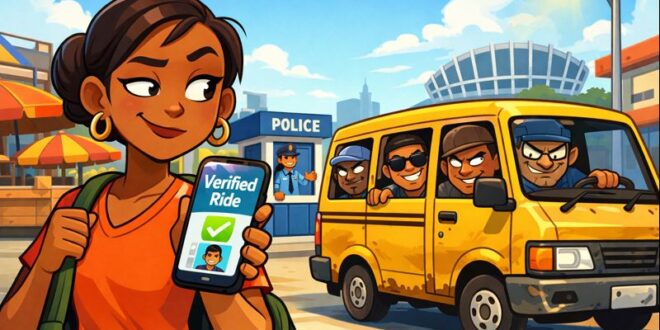
- Use trusted ride-hailing apps when possible. Verified platforms reduce risk, though they’re not perfect.
- Share trip details. Send the vehicle plate number, route, and driver name to someone you trust.
- Avoid rush-hour desperation. Many victims say they boarded the first available vehicle out of urgency.
According to security analyst Bulama Bukarti, “Criminals thrive on routine and predictability. The less rushed you are, the safer your decisions.”
At the Pickup Point or Bus Stop
Read the environment before you enter any vehicle
- Observe the vehicle. Be cautious of cars with no clear markings, covered plates, or unusually tinted windows.
- Watch the passengers. If everyone looks tense, avoids eye contact, or seems rehearsed, walk away.
- Trust your instincts. Discomfort is enough reason to decline a ride.
- Avoid isolated stops. Choose busy areas with visible activity and lighting.
If a driver pressures you to enter quickly or discourages questions, that’s a red flag.
Inside the Vehicle
Position yourself for awareness and exit
- Sit behind the driver. It gives you visibility and slightly more control if you need to react.
- Stay alert. Avoid sleeping, loud music, or deep phone scrolling.
- Memorize details. Plate number, dashboard stickers, unusual sounds, and route changes.
- Keep valuables out of sight. Don’t flash phones, cash, or expensive accessories.
- Avoid sharing personal info. Casual questions can be used to profile you.
The Nigeria Police Force has repeatedly advised commuters to “limit visible distractions and remain situationally aware in public transport.”
If You Sense Danger or It Happens
Your safety comes first, always
- Don’t confront aggressively. Escalation increases harm.
- Comply if threatened. Property is replaceable; your life isn’t.
- Look for public spaces. If there’s an opening, attract attention near markets, traffic, or security posts.
- Use emergency features. Some phones and ride apps send alerts with location data.
- Report immediately after. Even if nothing was taken, your report helps track patterns.
Survivors often say early suspicion gave them the chance to exit before things escalated. Listen to that voice.
Beyond Personal Safety
Staying alert helps, but this problem needs collective action.
- Law enforcement needs dedicated anti–one-chance patrols, faster response lines, and visible plainclothes operations.
- Transport unions must enforce driver registration, biometric verification, and visible ID systems.
- Technology can help through verified ride platforms, panic-alert apps, and shared incident mapping.
Public safety improves when systems reduce opportunity for crime, not when citizens live in constant fear.
If you want more clear, practical content on road safety, vehicle lifestyle, and Nigerian logistics issues, subscribe to the blog and stay informed.
And if you’ve experienced a close call, survived an incident, or have tips that work, share them in the comments. Your insight might save someone else.