 Uni Africa Auto Everything About Cars
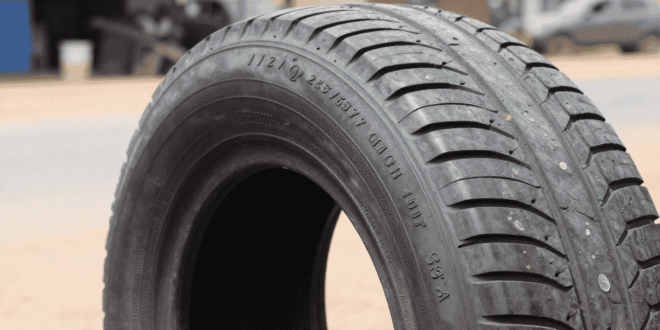
Is it possible to know a good tire from its color? Out of curiosity, some Nigerian drivers may ask this question, especially when faced with rows of black or brown tires at the shop. It’s natural to look for visual clues. In this post, we’ll clear up the confusion about tire color and show you what truly matters when selecting tires for the demanding conditions of Nigerian roads.
The Myth of Tire Color and Quality
Let’s settle this directly. No, you cannot judge a tire’s quality, durability, or safety by its color. All new tires start as a mixture of natural and synthetic rubber, which is actually a milky white color. The distinctive black color comes from carbon black, a reinforcing agent added during manufacturing to improve the tire’s strength, heat resistance, and longevity.
Sometimes, you might see tires with a slight brownish or bluish tint. This is simply a result of the antioxidants and anti-ozonants used in the rubber compound to prevent cracking. These color variations do not indicate a defect or superior quality. They are just side effects of the chemical recipe. Focusing on color is like choosing a phone based only on the color of its case, ignoring the battery life and processor inside. For Nigerian drivers, performance on hot tarmac, rough roads, and during the rainy season is what counts, not the shade of black.
Key Factors to Consider When Choosing Tires in Nigeria
Forget the color. Here are the real features you must check before buying tires in Nigeria:
- Tire Brand Reputation: Stick with established brands known for quality control. Brands like Michelin, Goodyear, Bridgestone, Dunlop, and Continental have a proven track record. Local favorites that have stood the test of our roads are also a smart choice.
- Tire Tread Pattern: Look at the tread design. Deep, blocky patterns are great for off-road or muddy conditions. Symmetrical patterns offer good all-round performance for city and highway driving. For our heavy rainy seasons, look for patterns with wide grooves that channel water away to prevent skidding (aquaplaning).
- Tire Load and Speed Ratings: These letters and numbers on the tire sidewall are crucial. The load rating tells you how much weight the tire can safely carry. Given our common practice of carrying heavy loads, ensure your tires have a sufficient rating. The speed rating indicates the maximum speed the tire can handle, which is important for safety on our expressways.
- Manufacturing Date: Tires age, even if never used. Look for the DOT code on the sidewall. The last four digits represent the week and year of manufacture (e.g., “3523” means the 35th week of 2023). Avoid tires older than 5-6 years, as the rubber can degrade.
- Warranty: A reputable seller will offer a warranty covering defects in workmanship and materials. This is a far better assurance of quality than any color could ever be.
Tire Maintenance Tips for Nigerian Roads
Buying good tires is the first step. Maintaining them is what protects your investment and your safety.
- Regular Tire Pressure Checks: Check your tire pressure at least every two weeks and before long journeys. Under-inflated tires overheat, wear out quickly on the sides, and increase fuel consumption. Over-inflated tires make for a harsh ride and wear out in the center. Follow the pressure recommended in your car’s manual.
- Wheel Alignment and Balancing: After hitting a pothole (which is almost inevitable), get your alignment checked. Poor alignment causes uneven and rapid tire wear. Balancing ensures a smooth ride and prevents vibration.
- Avoiding Overloading: Respect your tire’s load capacity. Overloading generates excessive heat, which can lead to a sudden blowout, especially on long, hot journeys.
- Regular Inspections for Damage: Make it a habit to visually inspect your tires. Look out for nails or sharp objects, cuts on the sidewall, unusual bulges, or signs of uneven wear. These can be early warnings of potential failure.
- Use tire protection products: One of the things that can damage your tires is constant puncture. Tires are made of rubber and are particularly vulnerable to punctures due to the presence of sharp metallic debris on the roads. A puncture prevention product stops your tire from leaking and maintains your tire pressure permanently. You can learn more about this product here: https://wa.me/c/2348187022943
So, is it possible to know a good tire from its color? The answer is a clear no. While a shiny black tire may look appealing, it tells you nothing about its strength or suitability for our roads. As a Nigerian driver, your focus should be on trusted brands, the right specifications for your vehicle and driving needs, and consistent maintenance. By prioritizing these factors, you ensure not just longer-lasting tires, but most importantly, safer journeys for you and your family on every road you travel. Share your thoughts in the comment section below.